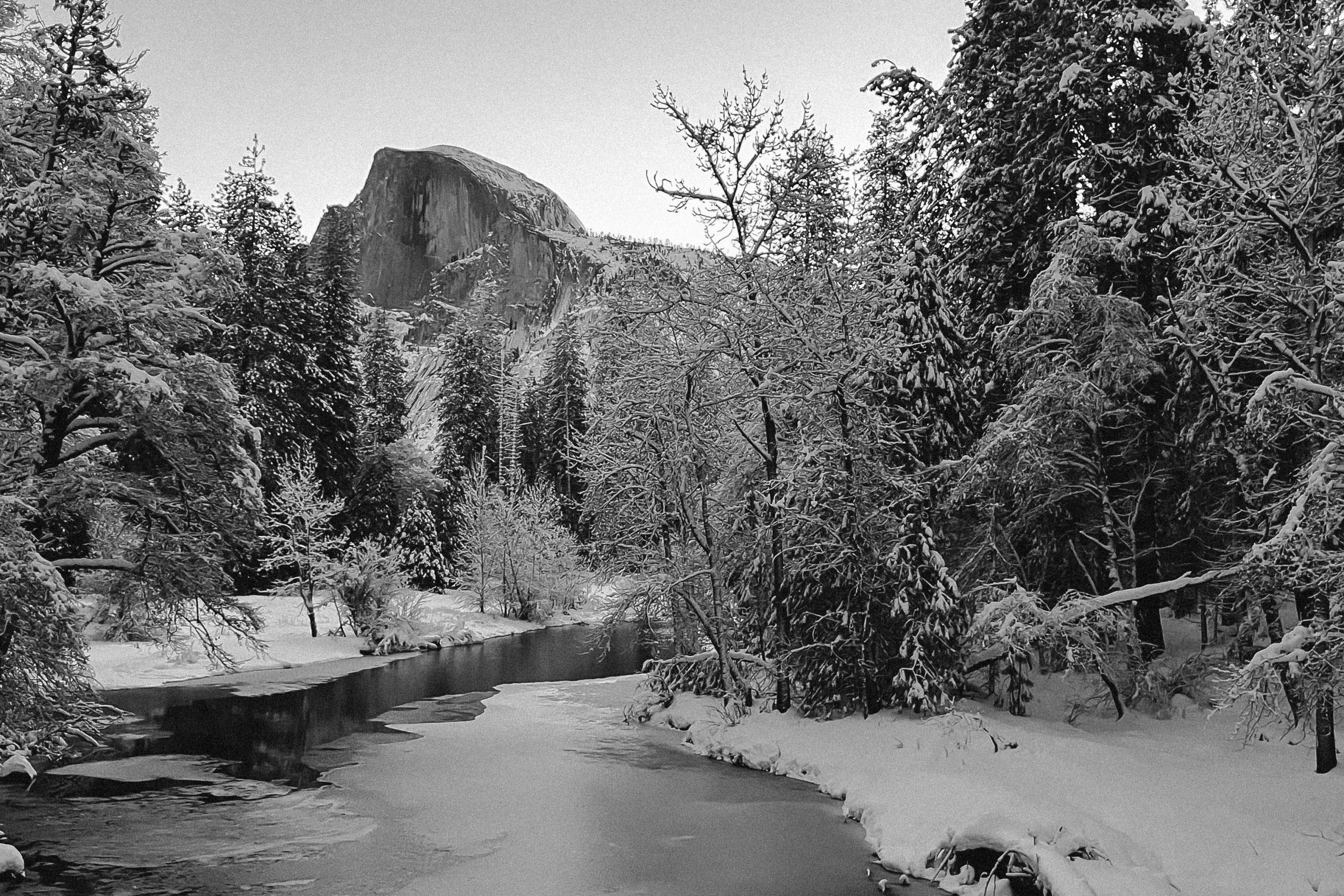


Driving in Yosemite National Park isn’t just a way to get from point A to B—it’s part of the magic. Whether you’re road tripping in from hours away or just heading up for the day, Yosemite’s roads are part of the adventure. From winding mountain passes to packed summer parking lots, knowing what to expect makes the difference between stress and magic.
If this is your first trip to the park, you’ll also want to check out my Yosemite First Time Guide. It covers everything from where to stay and what to pack to the best first-day stops to make the most of your visit.
After years of living, working, and road-tripping through Yosemite, I’ve learned how to drive this park like a local. This guide will walk you through:
- What roads are easiest (and hardest)
- Parking tips by season
- How to avoid GPS mistakes
- Driving Yosemite in winter (chains required!)
- And alternative transit if driving sounds like too much
Is Driving in Yosemite Difficult?
Driving in Yosemite National Park isn’t impossible—but it’s not your average road trip either. The roads here are narrow, winding, and full of elevation changes, which can catch first-time visitors off guard. That said, with a little prep and realistic expectations, you can navigate Yosemite’s roads just fine.
If you’re used to highway driving or flat terrain, the curves and cliffs may feel intimidating at first. Some routes—like Highway 140 through Arch Rock—are smoother and lower elevation, perfect for nervous drivers, families, or those prone to motion sickness. Others—like Tioga Pass or South Entrance—are steeper and more dramatic, but reward you with stunning alpine views and iconic photo ops.
In summer, traffic and full parking lots can be your biggest obstacle. In winter, it’s snow and ice (plus required snow chains). Either way, Yosemite is 100% drivable with the right mindset: go slow, be patient, and enjoy the journey. The views make it worth every hairpin turn.
Best Roads for Driving in Yosemite National Park
Yosemite’s roads are famously winding, narrow, and steep. That’s part of the magic — but also the challenge.
Arch Rock Entrance (Highway 140)
If you want the easiest driving route with the lowest elevation and smoothest roads, Arch Rock is your best bet. It’s perfect for families, nervous drivers, or those prone to car sickness. This entrance is open year-round and rarely closes in winter.
Tioga Pass Entrance (Highway 120 East)
Tioga Pass is the most scenic Yosemite entrance, open only May through October due to snow. It takes you through alpine wonders like Tuolumne Meadows, Tenaya Lake, and Olmsted Point with breathtaking granite views and wildflowers. The drive includes three tunnels with dramatic views of Half Dome and El Capitan.
Big Oak Flat Entrance (Highway 120 West)
Big Oak Flat is a pretty drive with great photo ops including the best Yosemite sign. It’s a year-round route but may close temporarily in winter for snow or rockslides. It’s a great choice if you’re coming from San Francisco, Sacramento, or northern California.
South Entrance (Highway 41)
This entrance features steep, winding roads with lots of elevation changes. While the sign isn’t great for photos, it delivers with access to iconic Yosemite spots like Tunnel View, Glacier Point, and the Mariposa Grove of Giant Sequoias. Not ideal for drivers sensitive to motion sickness.
👉 Want a full breakdown of each entrance—including photos, driving tips, and the best routes by season? Check out my detailed guide to The Best Yosemite Entrance for Your Trip to help you choose the perfect way in.
Yosemite Parking Tips: How to Find Parking During Peak Season
Parking in Yosemite National Park, especially Yosemite Valley, fills up fast between late spring and early fall. Sometimes parking is completely full as early as 9am in the summer months. To avoid frustration:
- Arrive early, ideally between 5-7 a.m., especially in summer months
- Expect long entrance lines and be patient—delays are normal
- Plan to stay parked in one area for a while to avoid hunting for new spots
- In fall and winter, parking is easier but check for road closures due to snow
- Electric vehicles can use charging stations at all major parking lots inside Yosemite Valley
- As of 2025 you need reservations to get into Yosemite National Park during peak hours. To learn more about the permit system & get your permits click HERE.
Avoid Getting Lost: GPS Tips for Driving in Yosemite National Park
Cell service is spotty or non-existent throughout most of Yosemite National Park, so relying on your phone can lead to wrong turns or long detours. Especially with one way roads and hotels with similar names. It can be easy to get lost. When I worked a the front desk at the Yosemite Valley Lodge it was not uncommon to have guests from the Yosemite View Lodge try to check in to the Yosemite Valley Lodge and be very disappointed that they were an hour away from their destination.
- Always enter a specific destination address in your GPS, not just “Yosemite National Park”.
- Glacier Point, Tunnel View, Wawona, etc.
- Use offline maps from Google or Apple Maps, downloaded before your trip
- Apple Maps:
- Profile picture > Offline Maps > Download New Map > Cover Yosemite + surrounding towns > Download
- Google Maps:
- Profile icon > Offline Maps > Select Your Own Map > Cover Yosemite > Download
- Apple Maps:
- Trust the brown National Park signs or paper maps over GPS when in doubt
Winter Driving in Yosemite National Park: Snow Chains, Road Closures & Safety
Yosemite winters are breathtaking, but you need to be prepared:
- After the first snowfall, carrying snow chains is legally required on many park roads, regardless of your vehicle’s drivetrain
- Practice installing chains before your trip — YouTube tutorials are invaluable
- You can rent snow chains from many local markets outside most of Yosemite’s major entrances.
- Chain checkpoints are common at park entrances; be ready to put them on if asked by a ranger.
- Roads like Tioga Pass and Glacier Point close in winter due to snow
- Drive slowly and cautiously—icy curves and snowy patches are hazards
- Call (209)372-0200 (press 1 then 1) for the most up-to-date road conditions. This is especially invaluable during the winter.
- Be aware that any road can close at any time due to snow. Call the number above or look for the signs in the park. They will tell you which roads are currently open or closed.
Skip Driving with Yosemite Area Rapid Transit (YARTS) Bus System
If you want to relax and enjoy the views, the YARTS bus system offers a comfortable alternative to driving in Yosemite National Park.
- Year-round service from Merced to Yosemite Valley, connecting with Amtrak, Greyhound, and the Merced Regional Airport
- Seasonal routes from Fresno, Mammoth Lakes, and Sonora
- Buses are equipped with AC and storage for luggage
- Reservations are highly recommended during busy seasons and holidays
- You also do not need a reservation to get into Yosemite if you ride the bus.
Learn more about the YARTS bus and make reservations, here.
Final Thoughts on Driving in Yosemite National Park
Driving in Yosemite might feel intimidating at first, but with a little planning and these tips, it’s part of the unforgettable adventure. Whether you choose the easy Arch Rock route or the scenic Tioga Pass, Yosemite’s roads lead to some of the most spectacular views on earth.
Related Blog Posts to Help Plan Your Yosemite Trip:


